
PAX Faculty and Senior Analysts

Carola Capra, MBA
President
Nueva Economia
Bolivia

Steve Gruber, MBA
Co-Founder
VA Partners Inc.
Canada
VP Admin PAX

Laurence Hewick, PhD
President/Dean
Pax Research Academy
Canada

John Maclachlan, PhD
Professor
Earth and Environment
Wilfrid Laurier University
Canada
Adjunct Prof PAX

Ash Pachauri, PhD
Co-Founder
Protect Our Planet
USA
Adjunct Prof PAX

Norma Sevilla, PhD
Director of Research
Instituto Politécnico
Mexico
Adjunct Prof PAX

Roberto Salazar, MSc
CEO
The Hexagon Group
Chile & Equator
Adjunct Lecturer PAX

Quetzalli Fernandez, MA
Sr. Analyst
Climate Change
Mexico
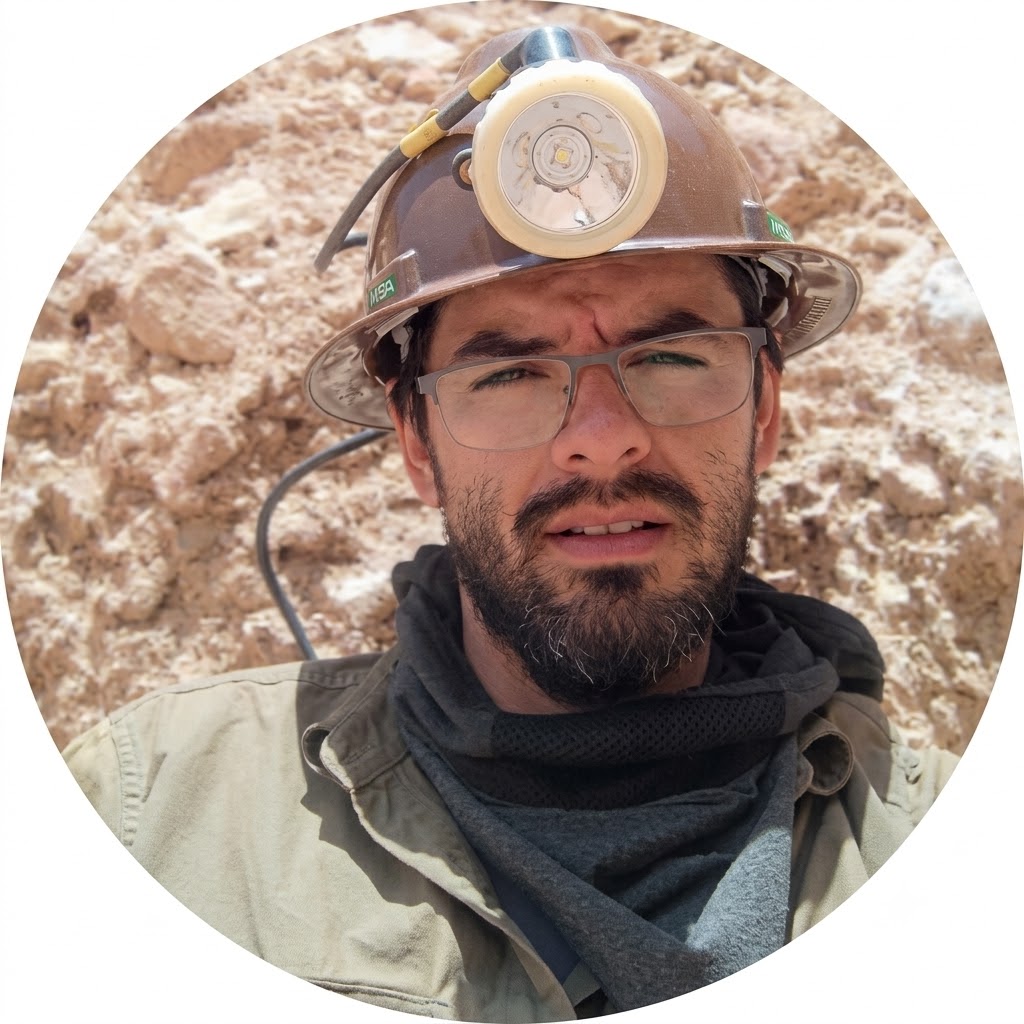
Jose Menacho, PEng
Sr. Analyst
Land Protection
Bolivia

Nathan Gruber
Chief Technical Officer
Pax Research Academy
Canada
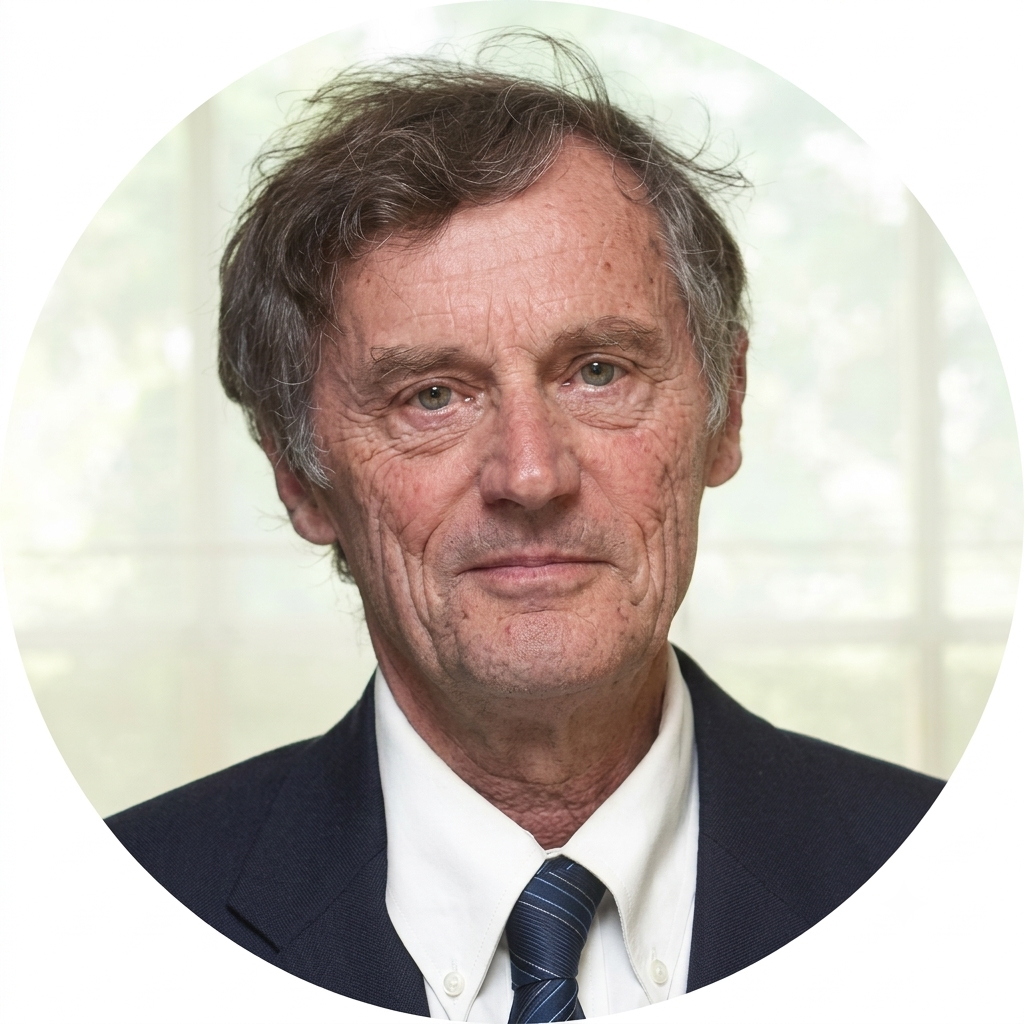
Boris Pleskovic, PhD
President
Slovenian World Congress
Slovenia
Adjunct Prof PAX

Matej Baturic, MSc
Head of Civil Protection
City of Zagreb
Croatia
Adjunct Lecturer PAX

Mahnoor Fatima, BSc.
M.Phil (pending)
Sr. Analyst Social Justice
Pakistan
Adjunct Lecturer PAX
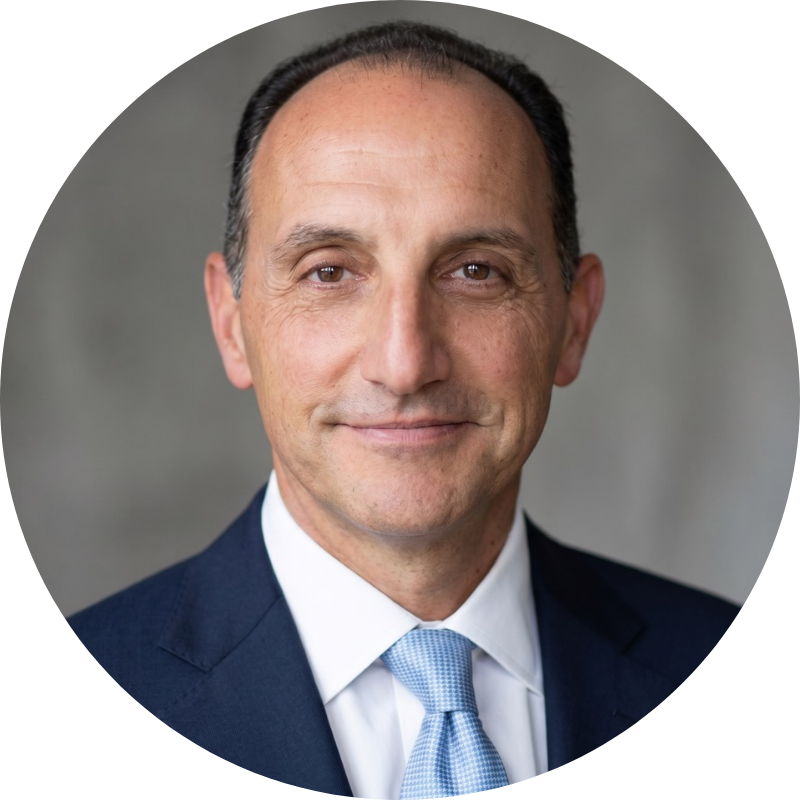
Paul Lupinacci,
PEng, MBA
Expert, Alternative Energy
Canada
Adjunct Lecturer PAX

Weston Hewick, BSc
Sr. Analyst
Natural Environment Canada
Adjunct Lecturer PAX

Uros Popadic,
PhD. Candidate
Researcher, University of Belgrade
Climate Security
Serbia
Adjunct Lecturer PAX

Sandra Zec, LLB, LLM Legal Advisor
Environmental
Slovenia
Adjunct Lecturer PAX

Karmala Pushpa, PhD.
Specialist in Agricultural Economics
India
Adjunct Prof PAX
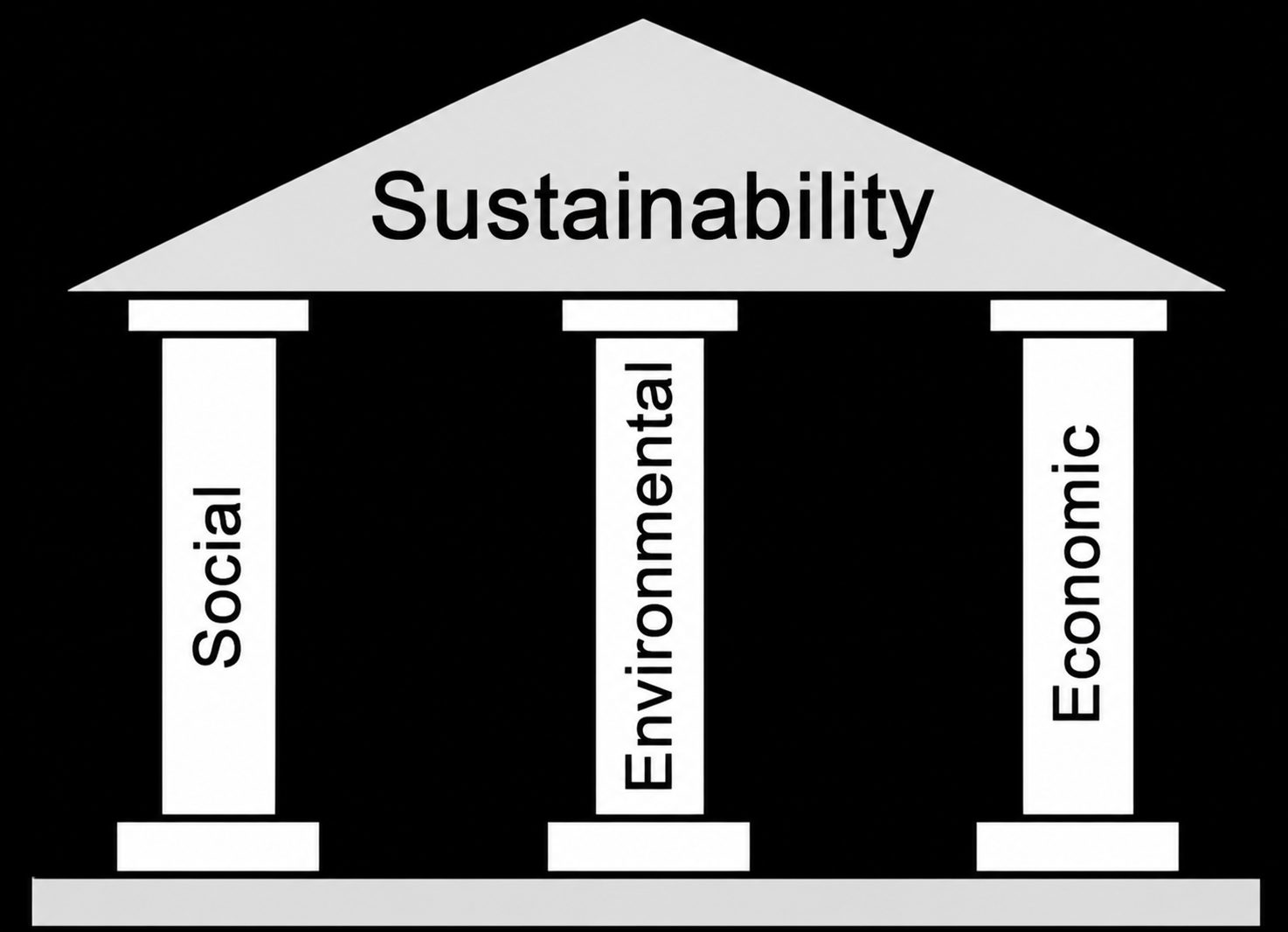
Three Pillars of Sustainable Development
Courses Offered:
(PAX will custom-develop courses for continuing / adult education at the request of clients)
Level One
1. The Seeds to Sustainable Development (SD)
This introductory course: establishes the foundational concepts of human-environment interactions; evaluates the environmental, economic, and social dimensions interplay of modern communities; examines how our resource needs impact natural ecosystems; investigates the “Three Pillars” of sustainability and shows that sustainable development encompasses the interplay of all three; explores the United Nations Sustainable Development Goals (SDGs); determines their relative success and determines what SDGs may be realistically achievable in the short term and which maybe take longer.
2. An Insight into Economic Prosperity
This course: examines Jeffrey Sachs’ ‘The ‘Seven Ages of Globalization’ and the main breakthroughs in energy, information, agriculture, industry and transport; examines today’s main economic metrics – economic growth, inflation, unemployment, consumer spendings and business investment to understand their challenges to society and the natural environment; examines the role of government and where world economies maybe by 2050; examines the rise of China and India as the next global economic leaders; and looks at green economies and clean tech highlighting the importance of continuing education and retraining in the face of new technologies like artificial intelligence.
3. An Overview of Social Justice
This course explores: the social injustices of education, gender & wealth inequality, racism, religious differences, corruption, food scarcity and poverty; looks at gender and state violence and the effect of today’s wars on the public such as homelessness, the refugee crises and migration; the state of cybercrime and the digital divide; and concludes by looking at community and social change – identifying mechanisms to drive institutional and structural policy reforms, highlighting advocacy campaigns, community activism, and sustainable education.
4. An Introduction to Stewardship of the Natural Environment
This course examines: the various sources of pollution (air, water, soil, noise, light, and plastic); biodiversity loss, deforestation, and resource depletion; practical actions and ethical frameworks needed to conserve ecosystems while meeting societal resource needs; bridging the gap between ecological protection, socio-economic factors, and long-term community resilience; and the need to focus on core concepts of resource management, environmental planning and sustainability.
5. Climate Change – Challenges & Solutions
This course explores: the fundamental science behind anthropogenic global warming and traces the socio-economic impacts of climate hazards; examines how societies assess and manage natural resources in the face of ecological degradation; covers the ethical, cultural, and scientific aspects of the climate challenge, empowering students to design local, community-based climate action plans. Further, it explores the role of cities as major hubs of both carbon emissions and looks at practical strategies for municipal climate mitigation, including sustainable transportation networks, green infrastructure, and community-level climate resilience.
6. Social Justice Solutions in Developing Communities
This course examines: the training of students to address systemic inequality and environmental degradation through participatory, anti-oppressive frameworks emphasizing grassroots and community-led models; introduces the foundational principles of Asset-Based Community Development (ABCD) and social inclusion; and examines how to identify local capacities, build cross-cultural relationships, and facilitate community-led initiatives that reduce poverty while managing the expectations of financial donors and institutional stakeholders.
7. Sustainable Development Project Management
This course explores: the integration of Project Management (PM) with Sustainable Development expanded beyond the traditional “iron triangle” of scope, time, and cost; the principles of planning, organizing, leading and controlling sustainable development projects with focus of youth involvement; how to place focus on long-term value, ethical execution, and the triple bottom line of People, Planet, and Profit; how to balance environmental, social, and economic factors across the entire project lifecycle from initiation to closure.
Note: All courses are 8 hours each and a certificate of course completion is offered following each course. *A minimum of 6 participants is required to initiate a course.
PAX Partners
PAX Research Academy is proud to partner with these organizations:
The ‘Protect Our Planet’ (POP) Movement
New York, USA
The POP Movement aims to empower the world’s youth to have active participation in addressing issues of climate change so that in the future they become sustainable thinkers in whatever profession they choose to pursue. Currently POP operates in 129 countries, has 431 Partners and is involved with 222 international projects. POP was founded Dr. R. Pachauri who shared the Nobel Peace Prize with Al Gore in 2007. There is an immense need to link all the world’s youth and provide them a platform to act upon and share what they are doing to address the threat of climate change.

The Institute of Strategic Risk Management
London, England
A global centre where practitioners, academics and policymakers can come together to share information, help progress, and promote the underlying understanding and capabilities associated with strategic risk and crisis management, and develop their own personal and professional networks. It currently has over 35 international chapters, and works with government agencies, global NGO’s and other major organisations who that are attempting to model, prepare for and engage with some of the most challenging sustainability problems we are facing on a planetary basis.